
MUKUMUKU
AboutAbout MUKU
Bonsai shaped by time, alive with tradition and skill.
JUME BONSAI MUKU
Bonsai Artist MARIKO Daisuke has spent many years working with living bonsai in pursuit of the highest expression of beauty. In contemporary bonsai, wire is commonly used to shape branches. Achieving natural beauty through pruning alone is exceptionally difficult and demands a level of skill that is rarely attainable.
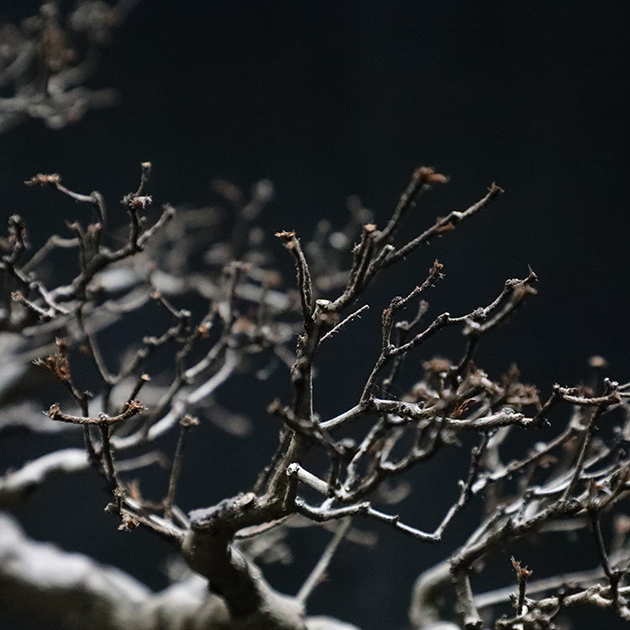
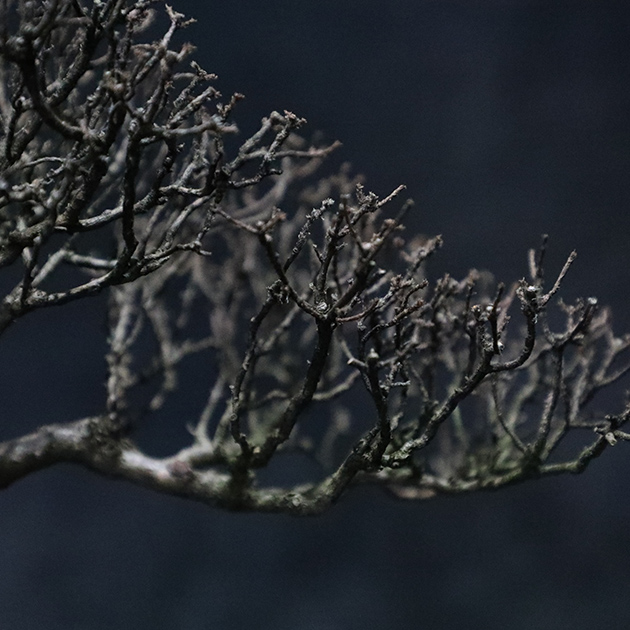
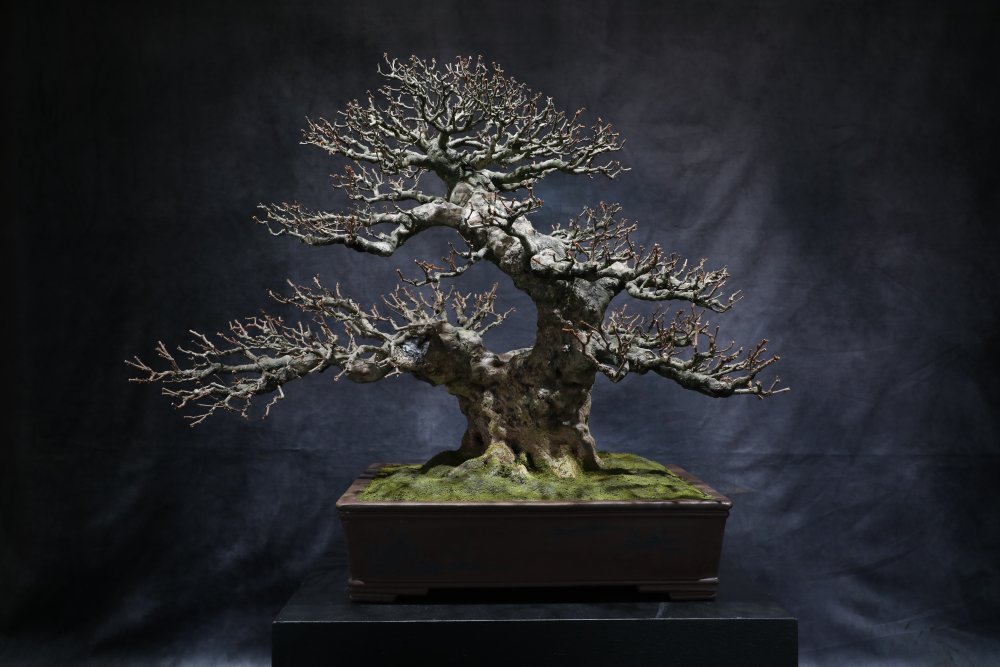
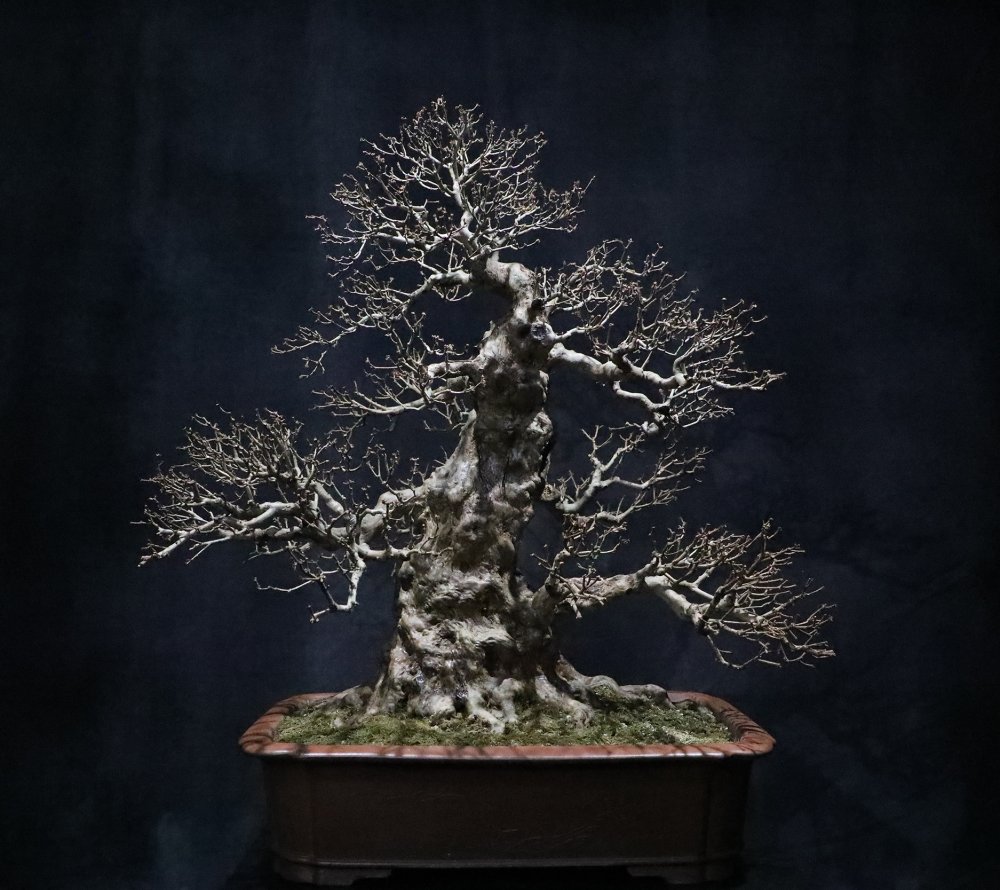
MUKU was shaped over decades through pure pruning technique without relying on wire, going beyond conventional assumptions about bonsai shaping. Even after the tree’s life has ended, the sculptural beauty of its branches continues beyond time.
GalleryGallery
Work Title
Size
Comment
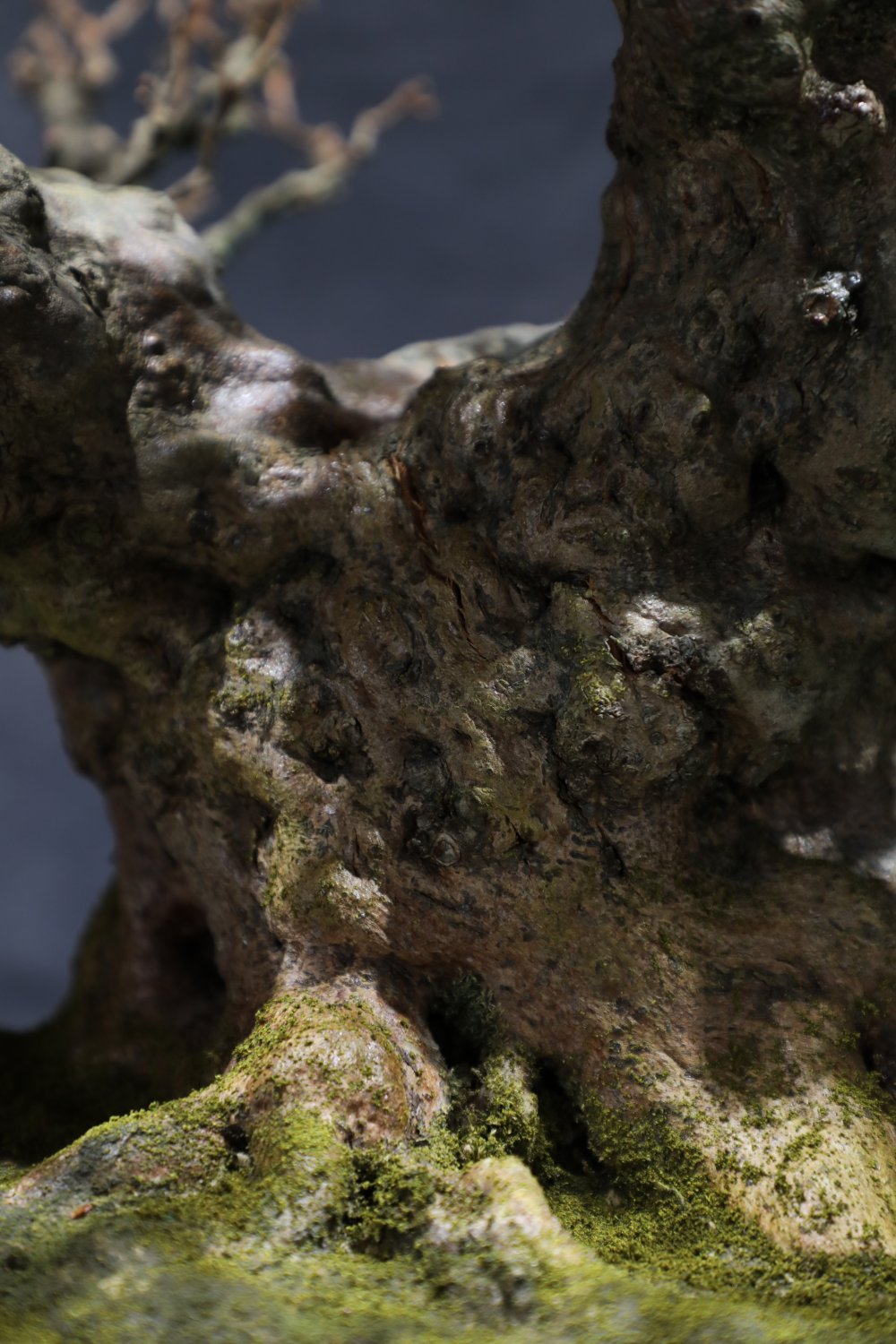
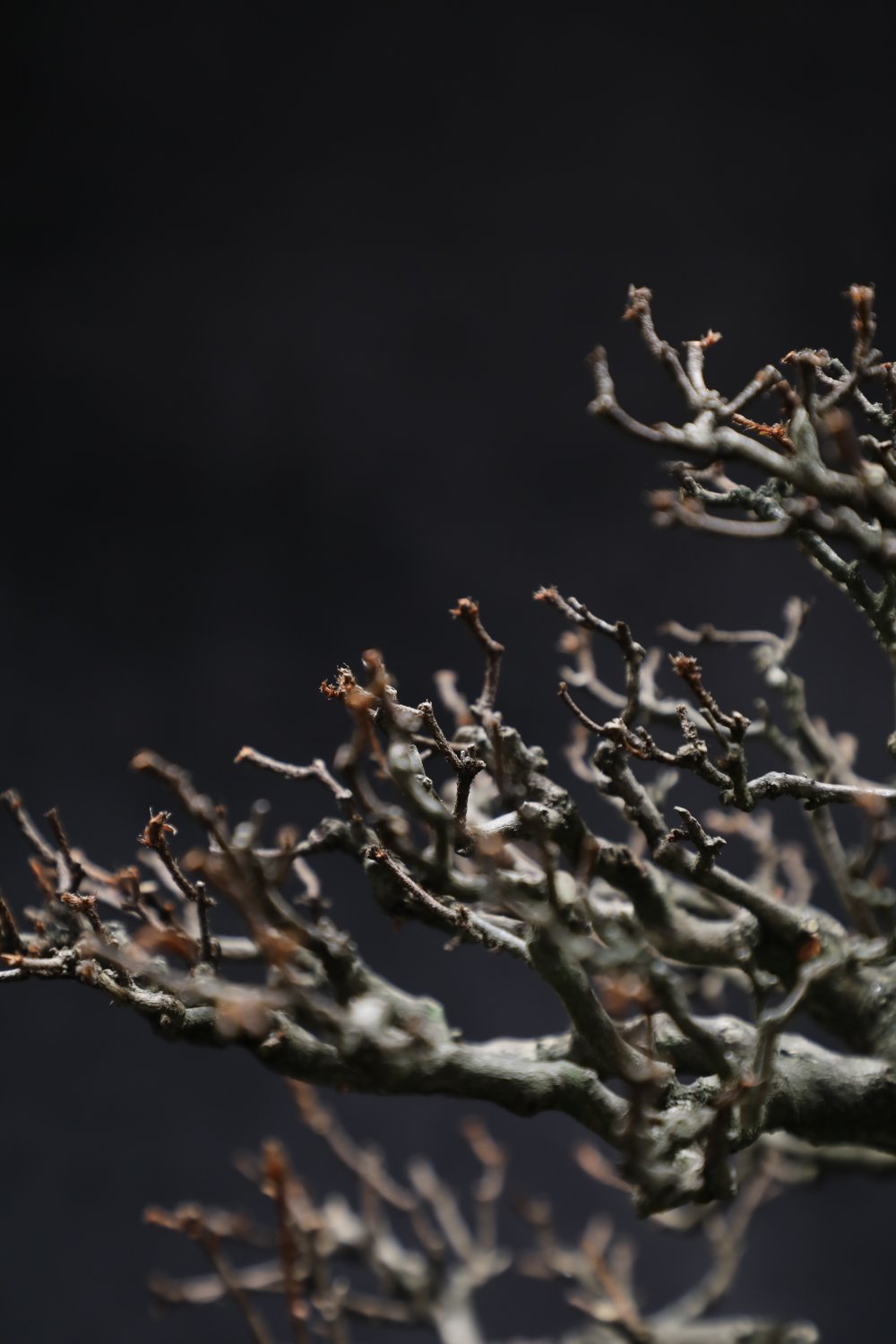
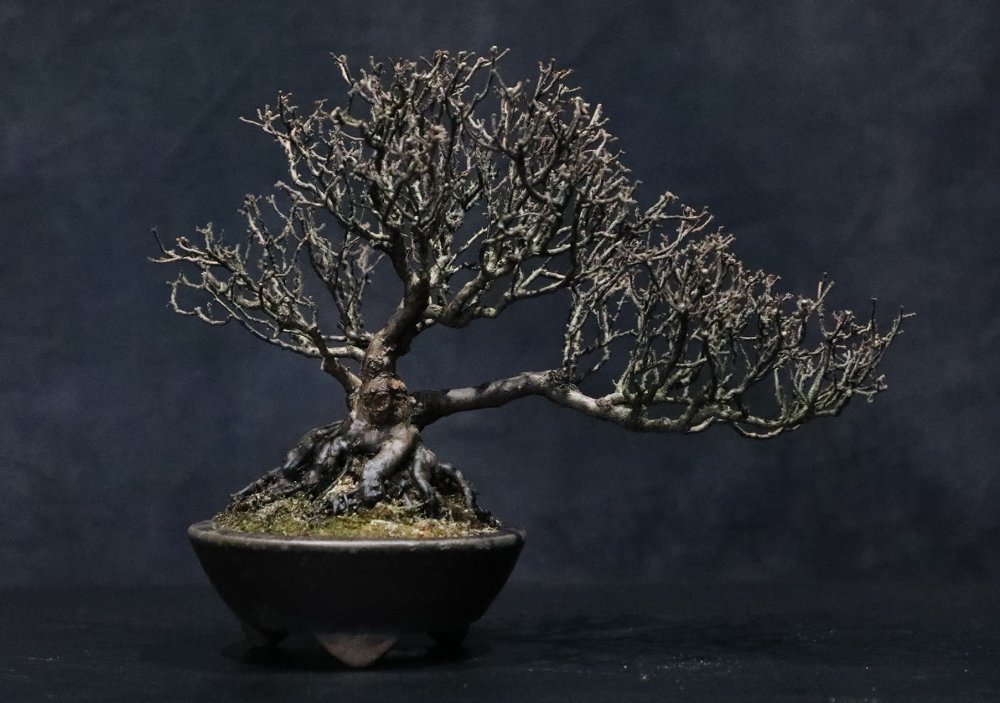
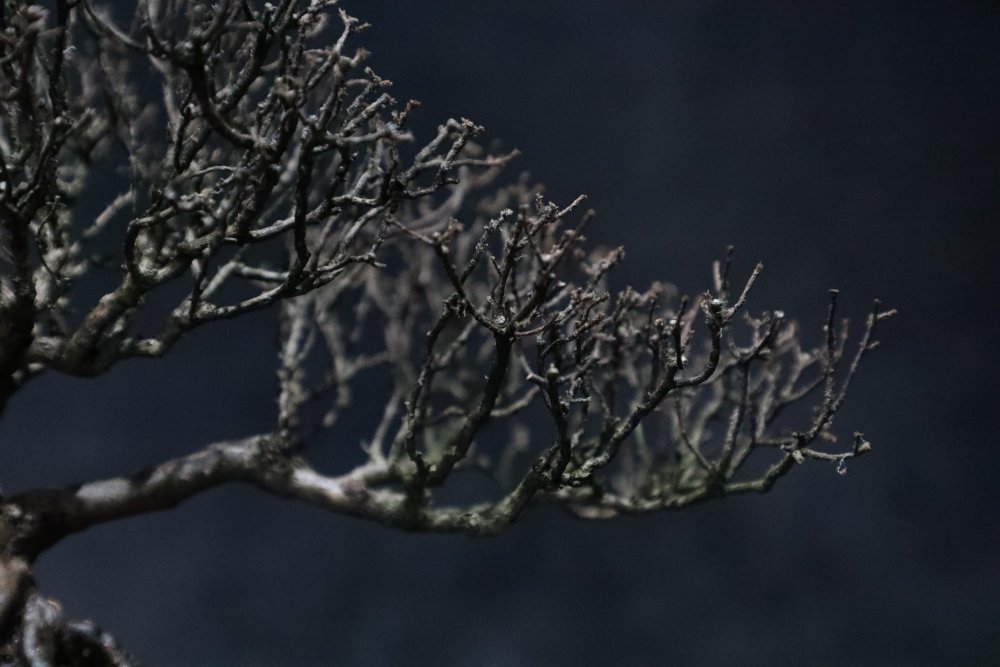
ConceptConcept
Elevating Decayed Bonsai into Art
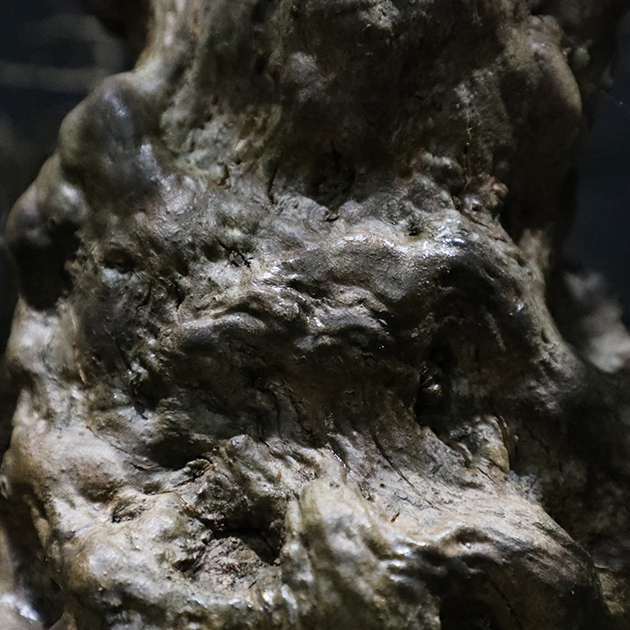
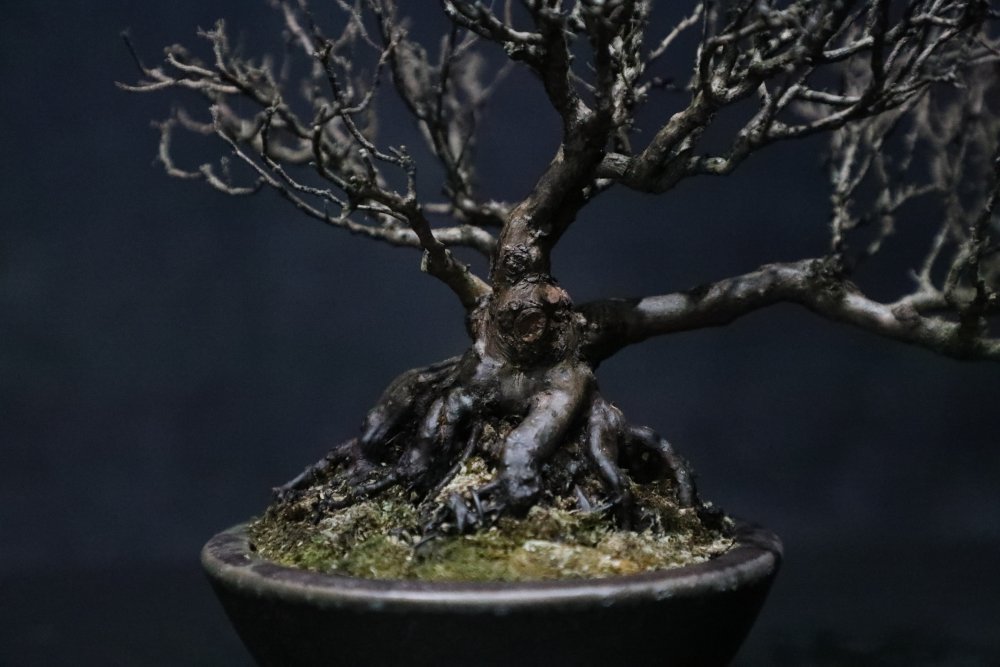
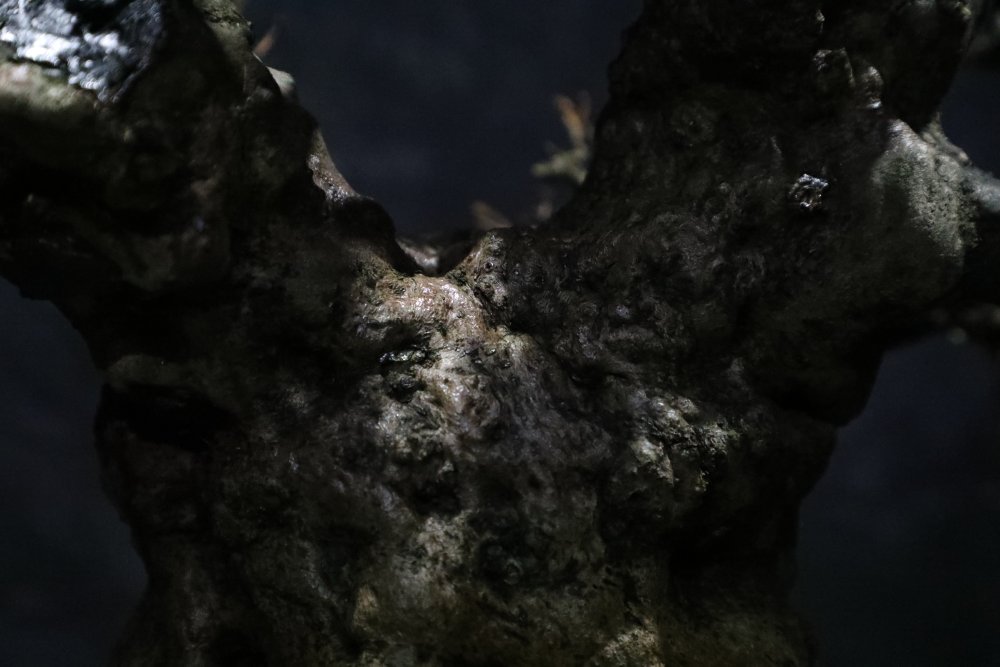
Deeply rooted in Japanese culture, the aesthetics of wabi-sabi regard withering not as defeat or an ending, but as something to be accepted and elevated—a sensibility also found in tea ceremony, haiku, and garden culture. Cracks and traces carved into a trunk by years of wind and rain, and the quiet sculptural beauty of twists and curves at the branch tips of a decayed bonsai, testify to a life that truly existed. They continue to speak as a completed form sculpted by the passage of time.
Exceptional Technique and Artistry
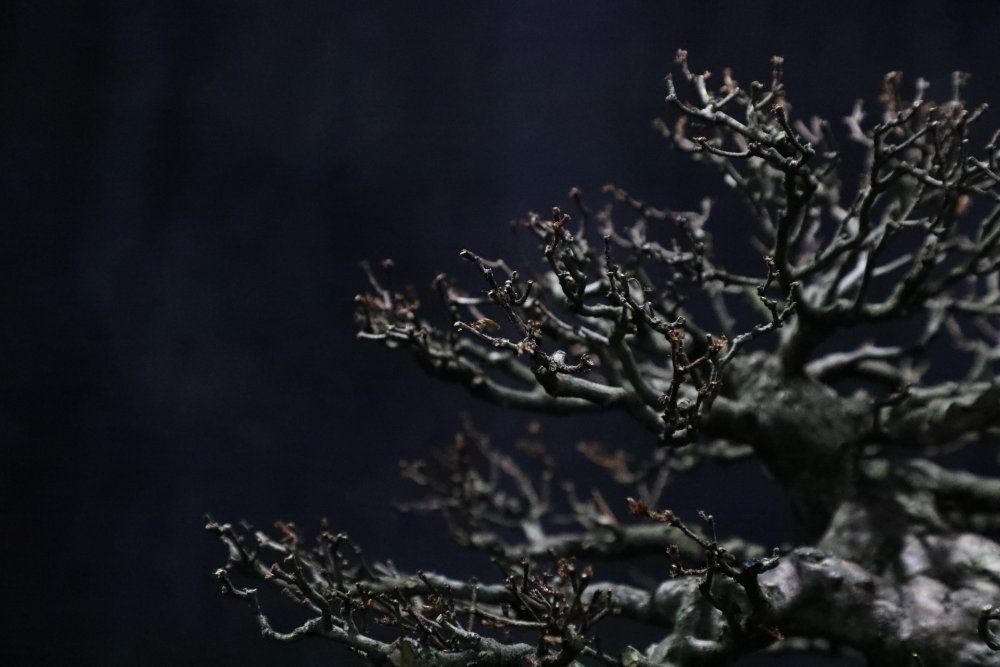
The defining value of MUKU lies in the ultimate beauty of its branch structure—a level that even other bonsai artists cannot attain. Without using the wire commonly employed to shape bonsai branches, Bonsai Artist MARIKO Daisuke formed these trees over decades through pruning alone. The natural, fluid, deeply integrated branching—free from artificial manipulation—is the result of extraordinary technique and immense patience, reaching a level that cannot be reproduced by other bonsai artists.
This sculptural beauty created through pruning alone is what allows the tree, even after its life has ended, to remain a work of bonsai art. It is a direct expression of MARIKO Daisuke’s technique.
MaterialsMaterials & Techniques
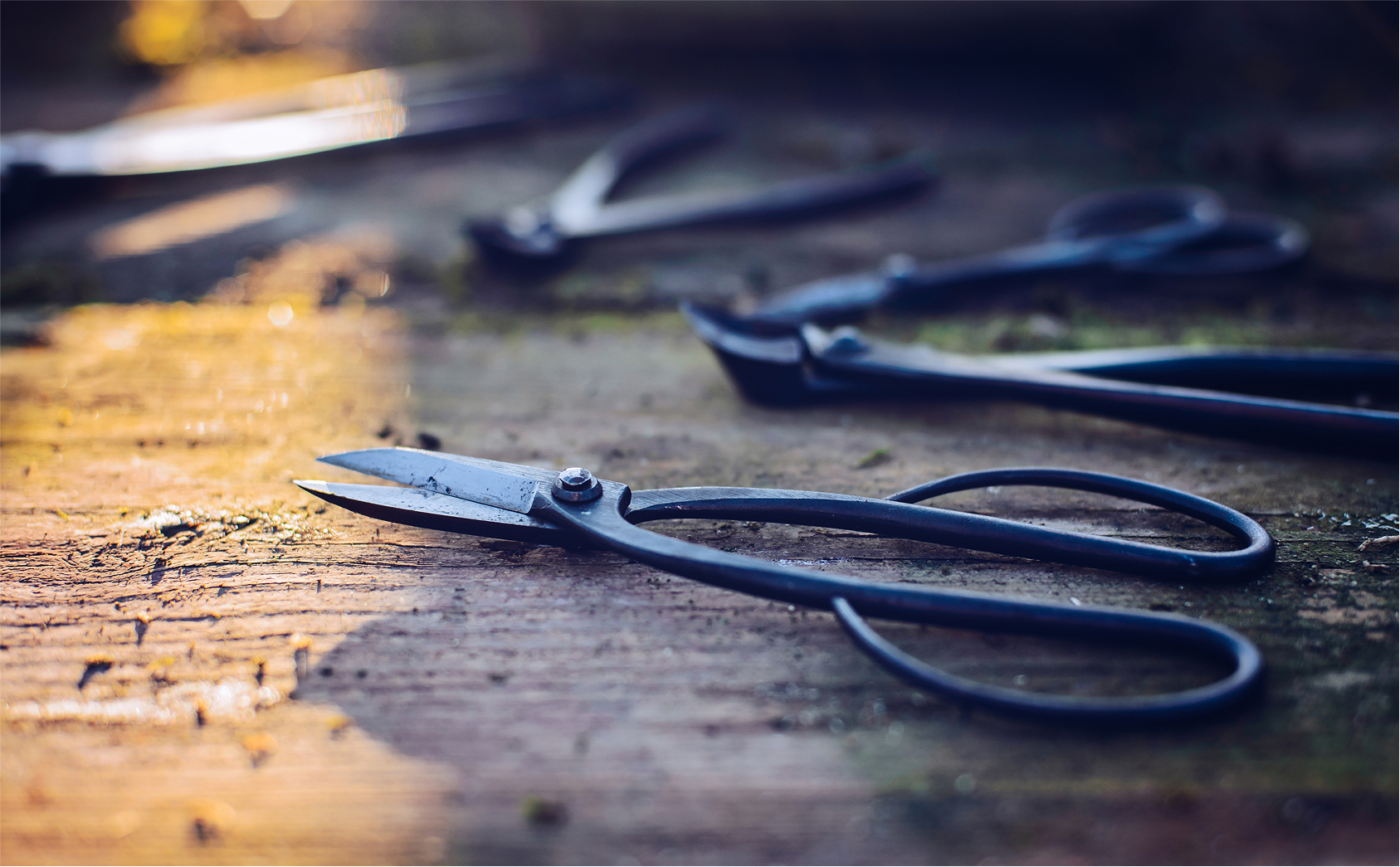
CraftsmanshipCraftsmanship
At first glance, a bonsai after its life has ended may seem to hold only an ending. Yet the twist of the trunk, the reach of its branches, and the exposure of its roots are traces of the life it once carried—forms in which time remains inscribed. Bonsai Artist MARIKO Daisuke reads those traces to determine the most beautiful viewing angle, then redesigns the tree’s form and composition, reconstructs pruning and branch arrangement, and refines the roots, moss, and soil.
Unlike pruning a living tree, this work demands a highly developed aesthetic eye and experience to reveal the beauty that remains after a life has come to its close.
VESSELThe Vessel
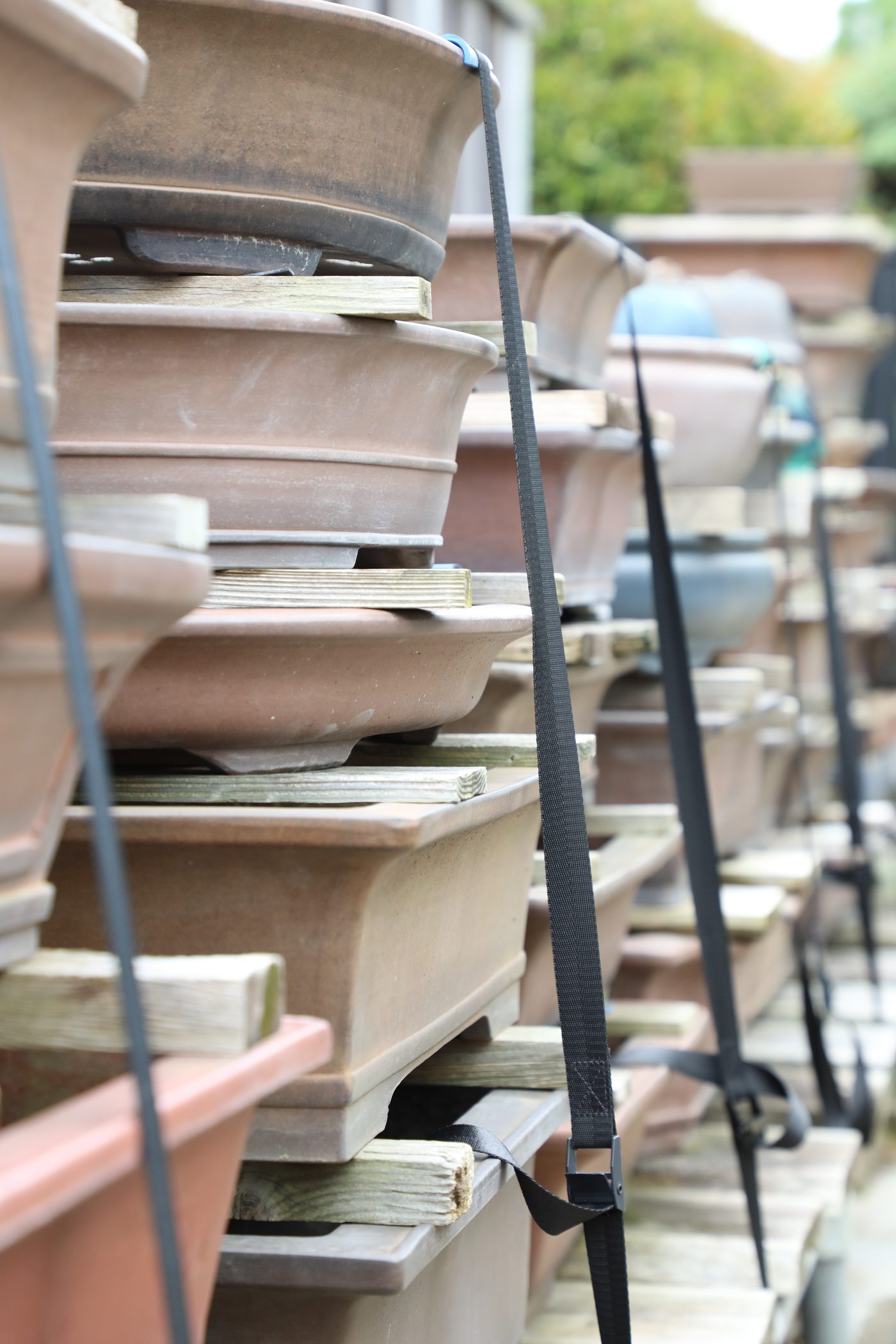
The tree alone is not yet complete.
Bonsai is completed through the union of tree and vessel. If either dominates, the balance is lost; if either lacks presence, the work loses definition. Even the same tree can reveal an entirely different character when placed in a different vessel.
We use authentic vessels fired specifically for bonsai.
The density of the clay, the texture of the fired surface, the rise of the rim, and the placement of the feet all matter. Their weight feels different in the hand, and their presence changes once set in place.
Because these vessels are structured to support trees over many years,
they can truly receive and frame the form of the bonsai.
The criteria change with every tree. We read the trunk, branching, and overall form to determine the vessel’s shape, depth, and color.
If the tree flows to the right, the visual weight is placed to the left. If the trunk is powerful, the vessel steps back quietly. There is no fixed formula; each choice is guided by an eye trained through years of working with bonsai.