
SHOKEISHOKEI

AboutAbout SHOKEI
The beauty of life, set free.
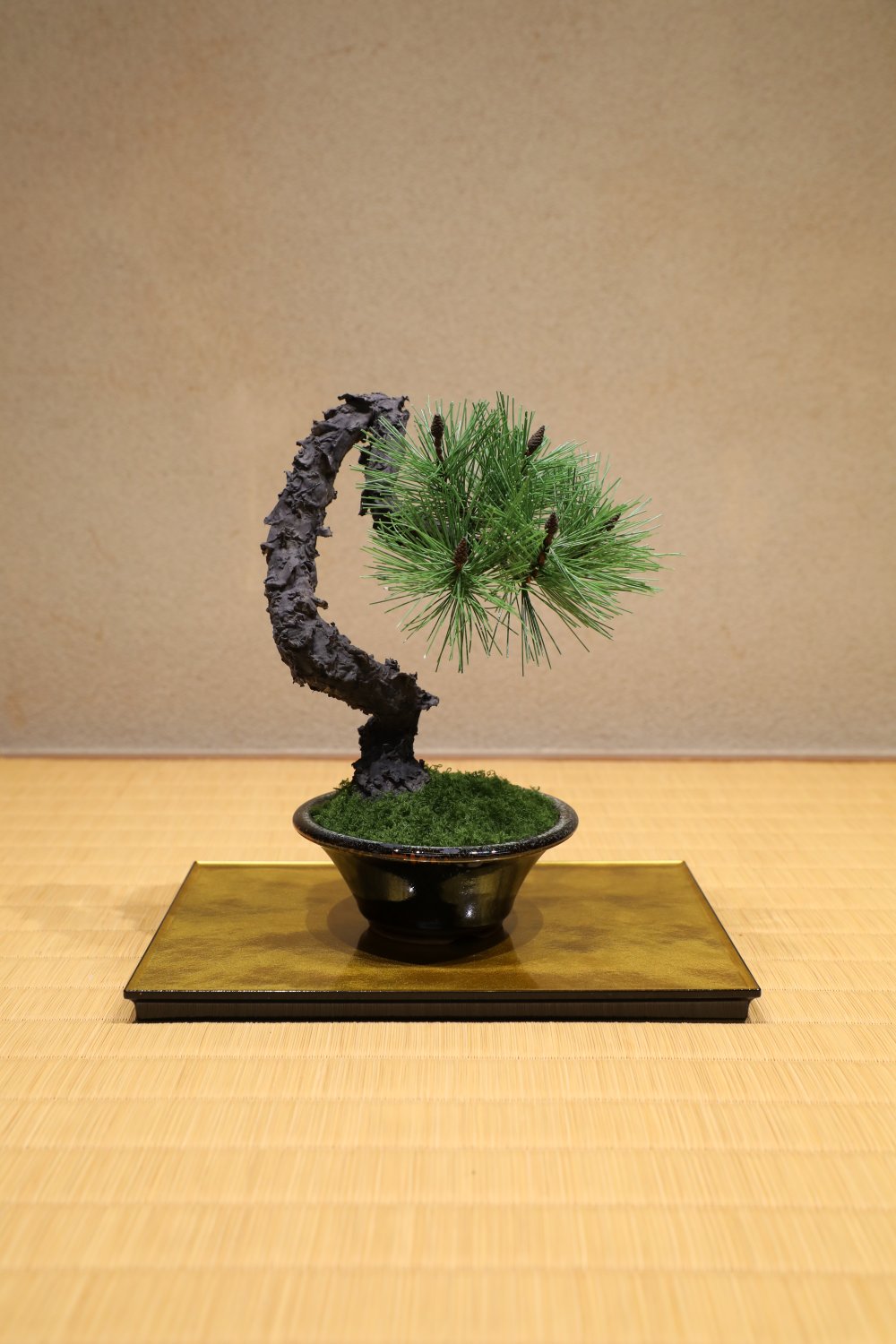
JUME BONSAI SHOKEI
Bonsai Artist MARIKO Daisuke wanted to bring the appeal of bonsai to more people.
Yet a number of practical limitations stood in the way.
- Requires delicate care involving water, light, temperature, and more
- Difficult to transport across borders
- Requires specialist knowledge of growth and pruning
Could the essence of bonsai be expressed as form beyond these limitations? That question led to Tosa washi (traditional Japanese handmade paper).
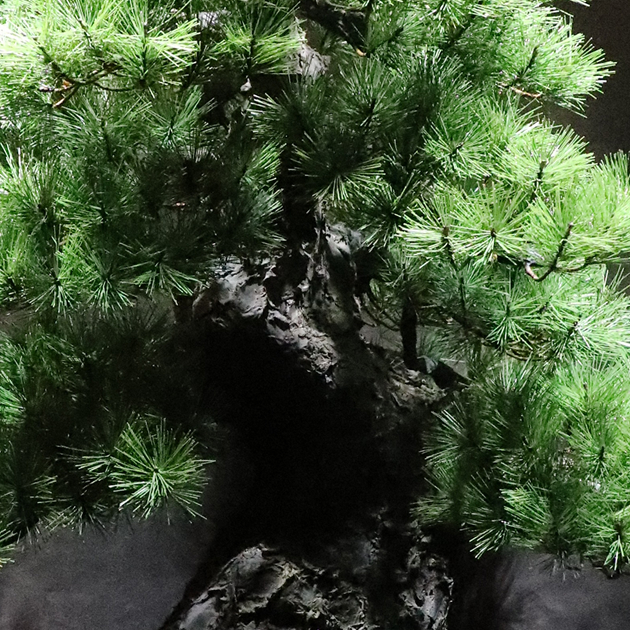
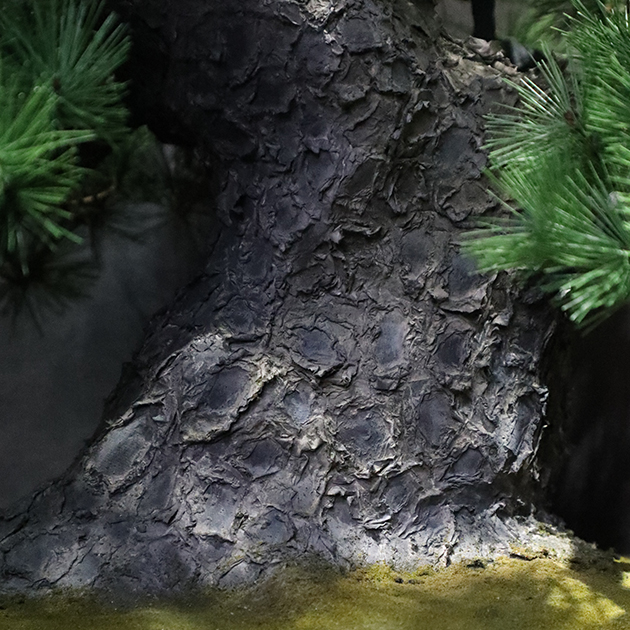
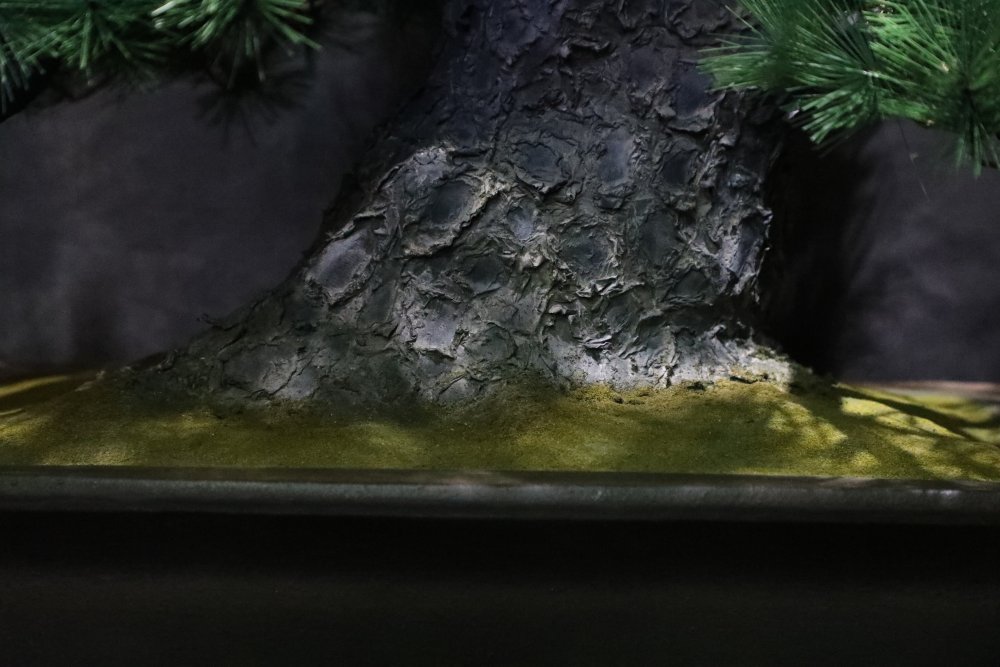
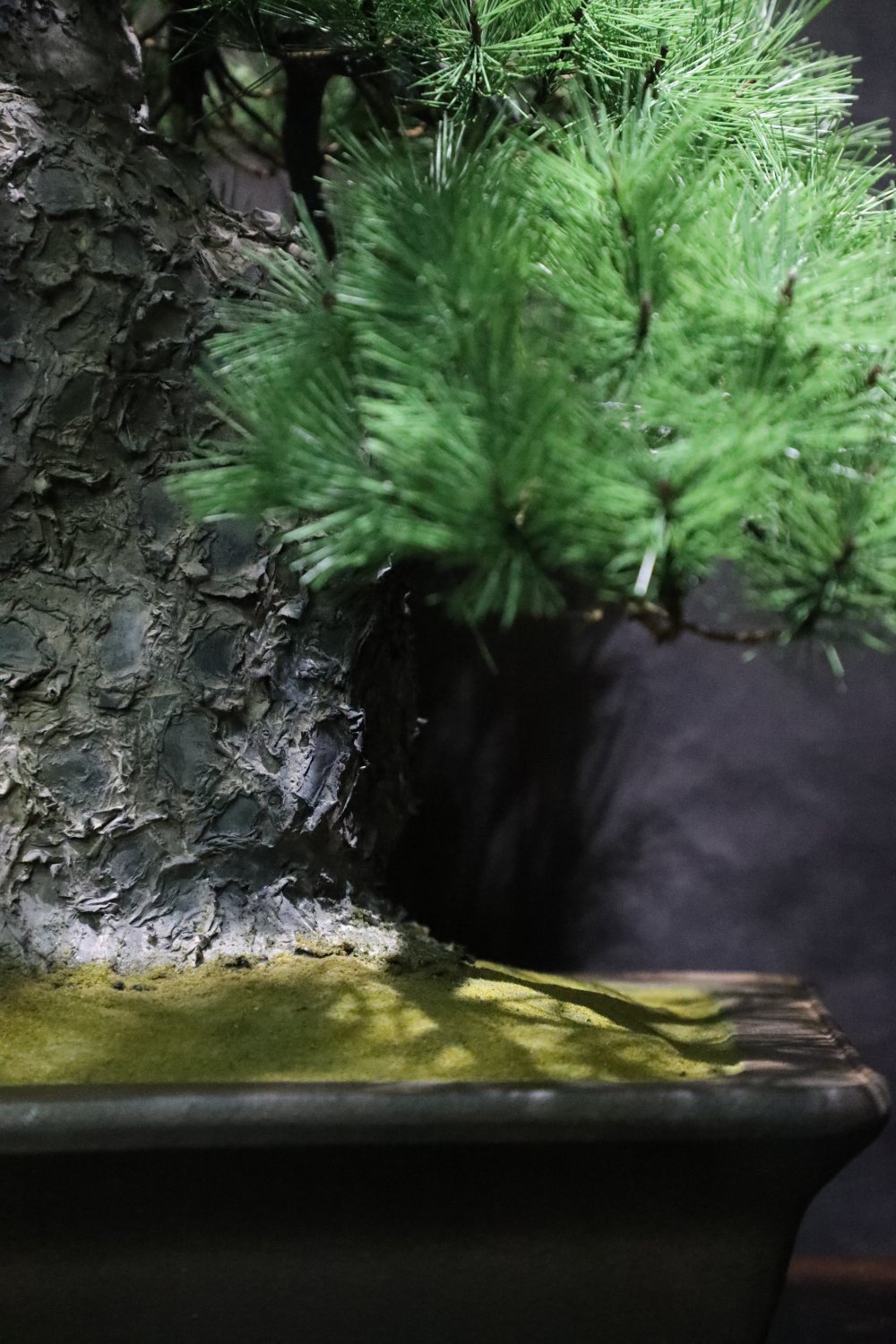
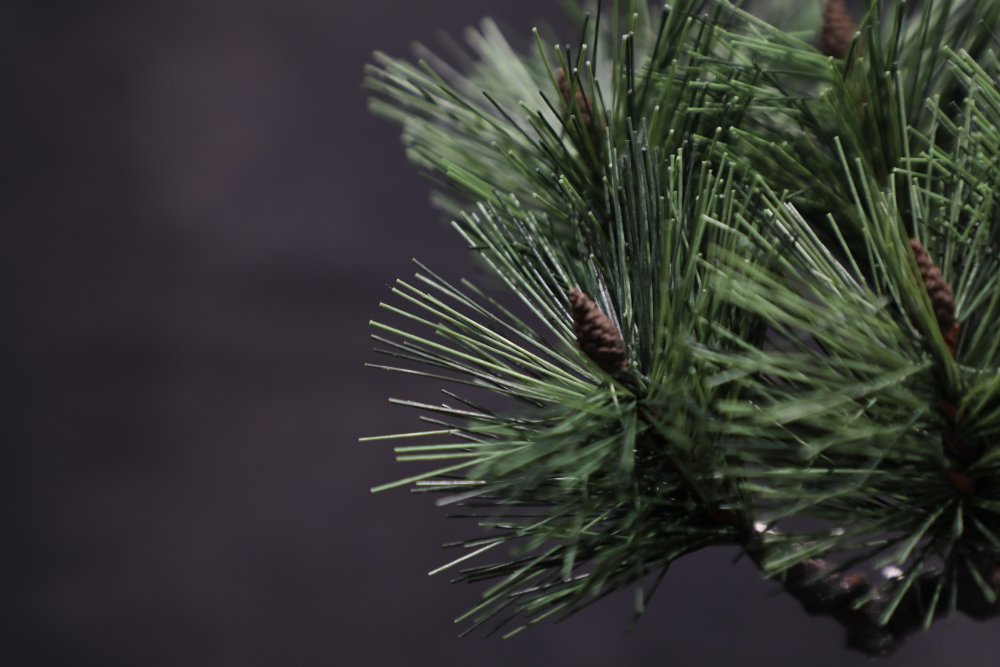
JUME uses this material, one of Japan’s three renowned washi traditions. Its irregularly layered fibers capture natural variation and the accumulation of time.
Through JUME’s proprietary shaping techniques, we further create:
・gradations of light and dark that suggest the passage of time
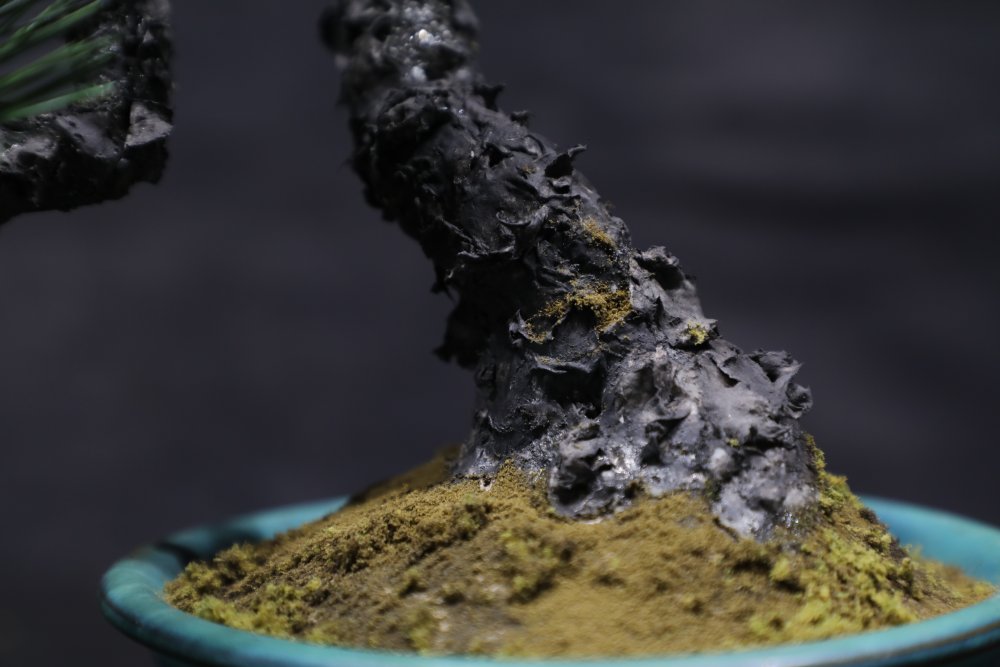
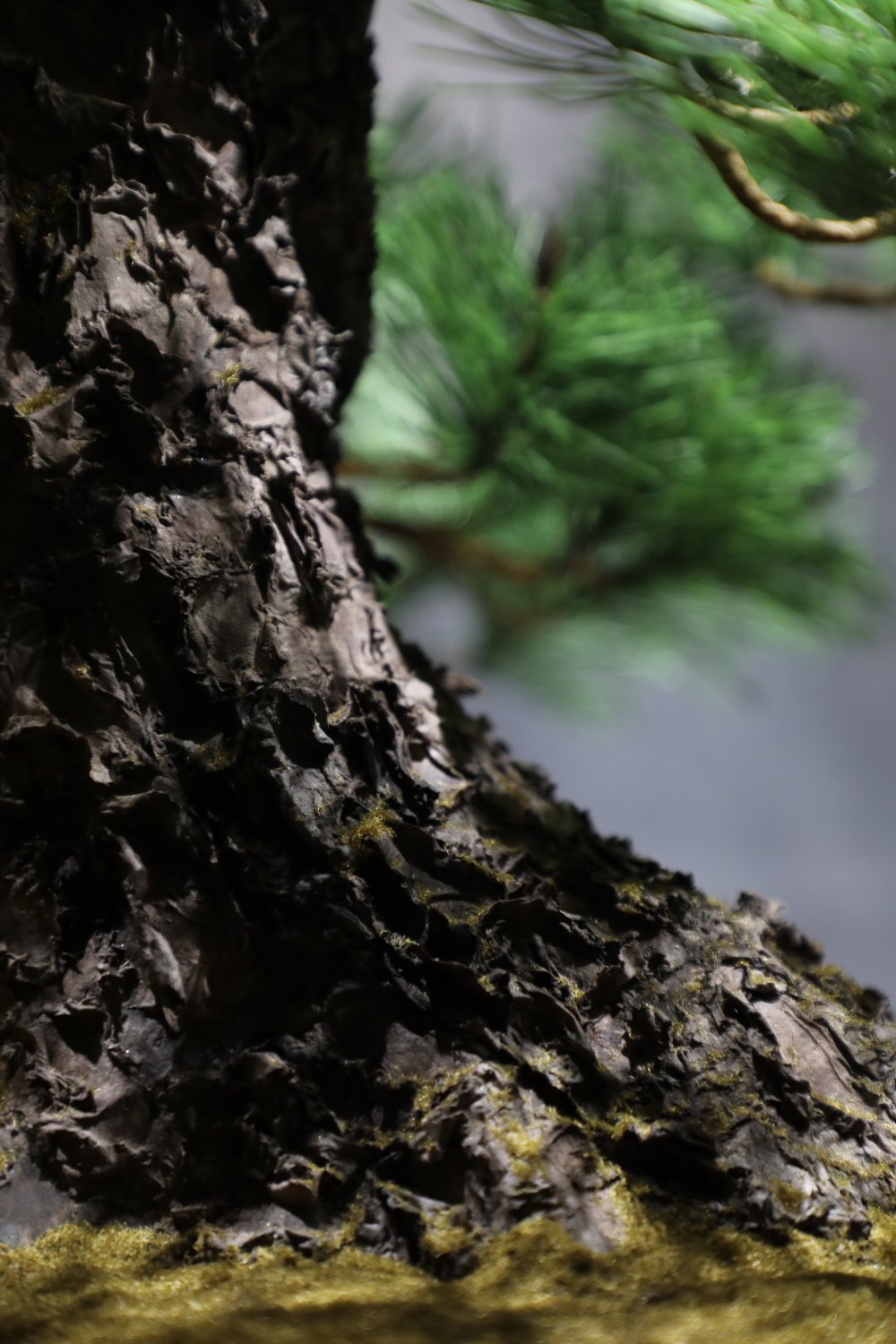
・cracked structures that evoke natural weathering
・dye treatments that imitate the decayed textures of moss and soil
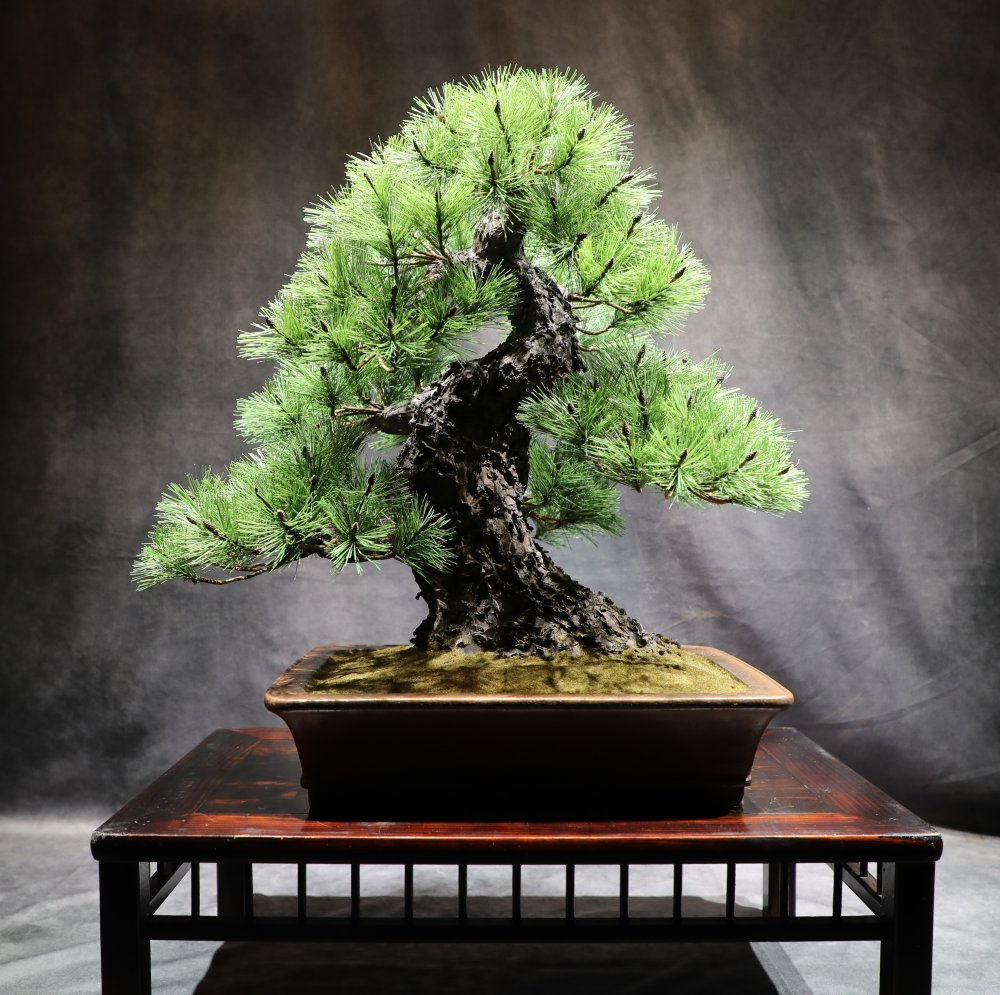
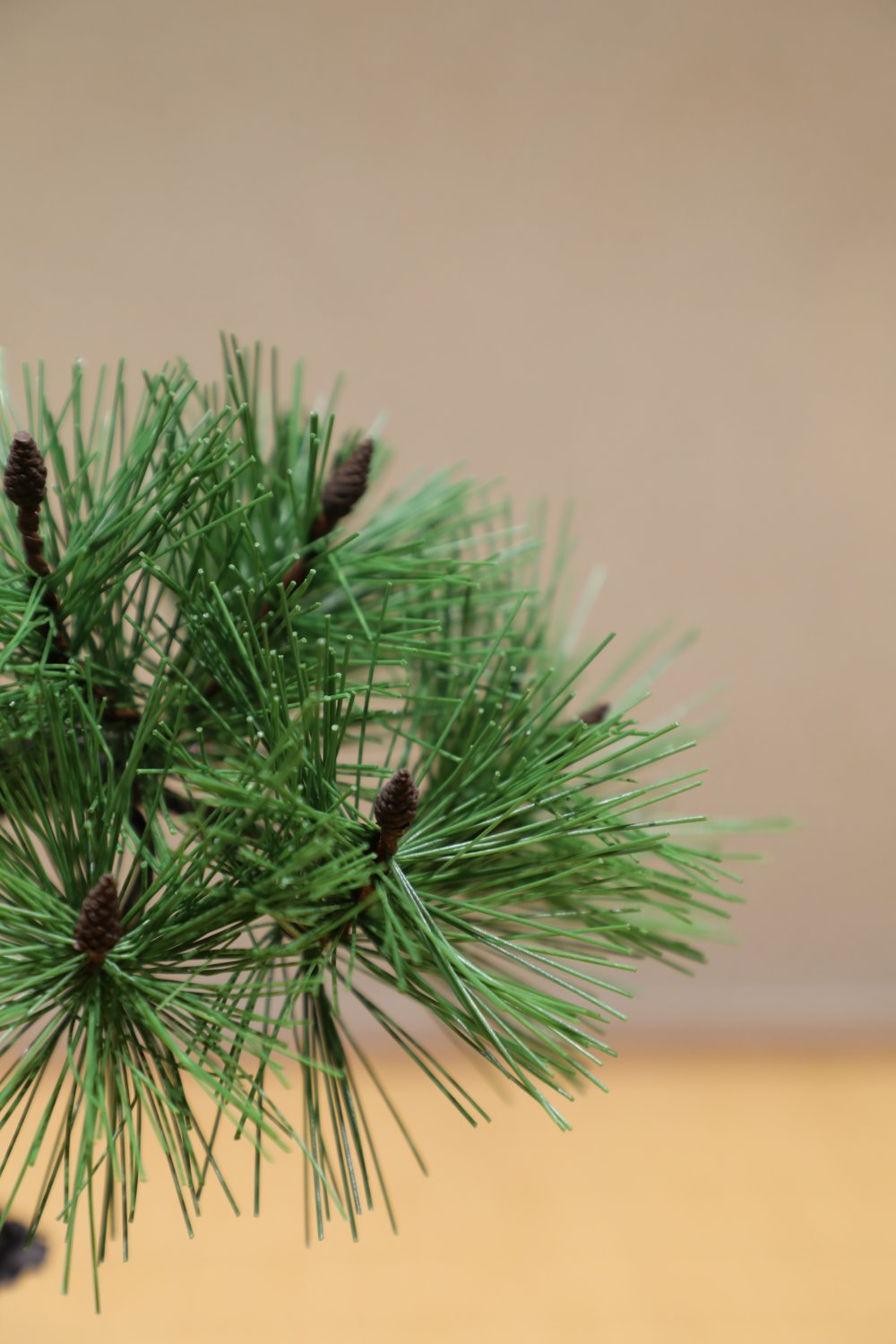
Layering these expressions allows us to reconstruct, through the power of materials, forms of life shaped by nature over time.
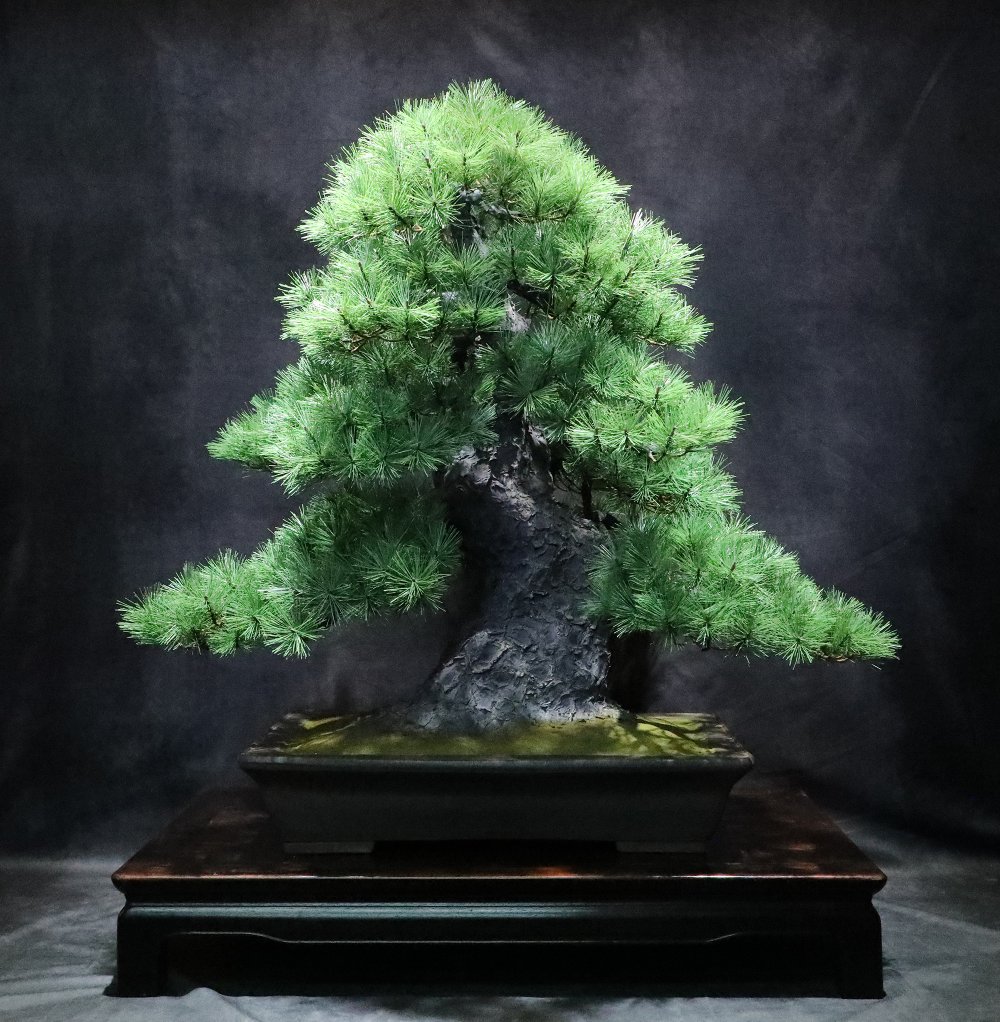
JUME BONSAI SHOKEI does not imitate life; it gives form to the memory of life.
GalleryGallery
Work Title
Size
Comment

MaterialsMaterials & Techniques
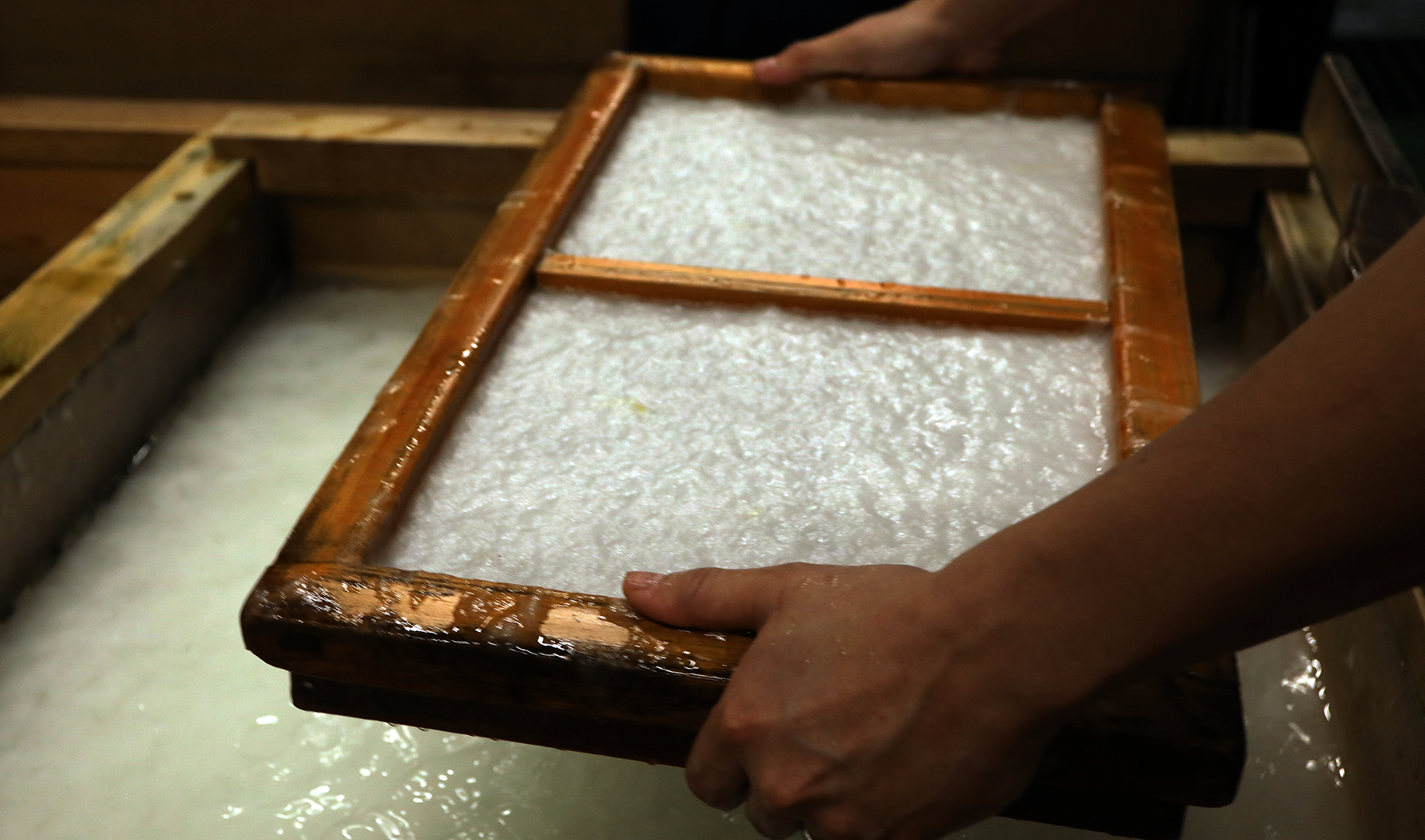
PaperTosa washi
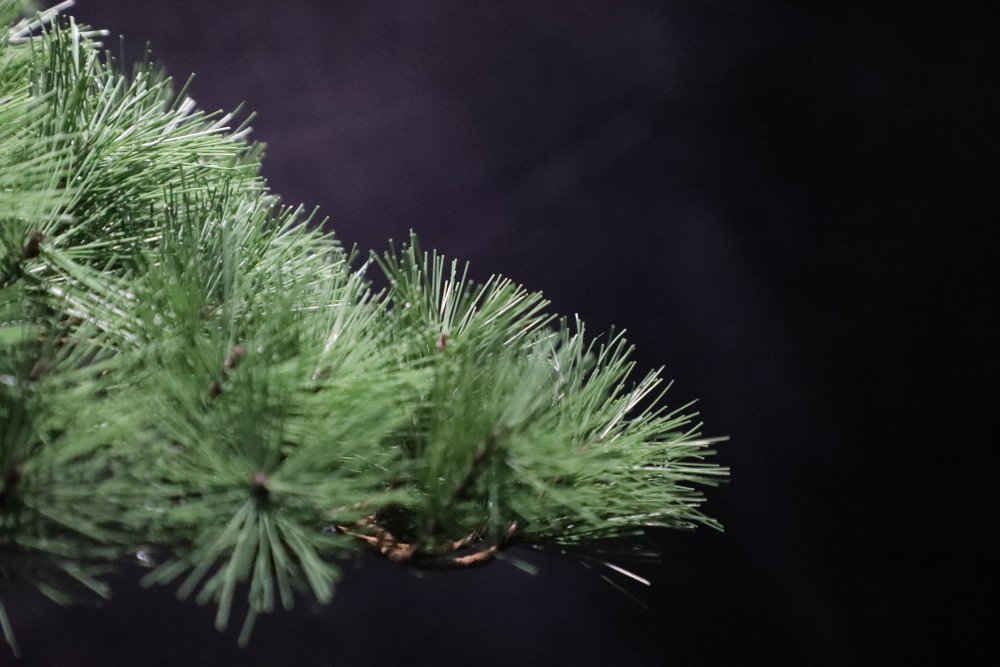
Bonsai Artist MARIKO Daisuke selected Tosa washi as a core material. Its defining quality is the irregular layering of fibers, which captures natural variation and the passage of time within the paper itself.
This subtle variation in the fibers conveys traces of life and accumulated time in a way uniform industrial materials cannot. More than a material, Tosa washi acts as a living medium that resonates with nature and lies at the heart of the world of JUME BONSAI SHOKEI.
VESSELThe Vessel
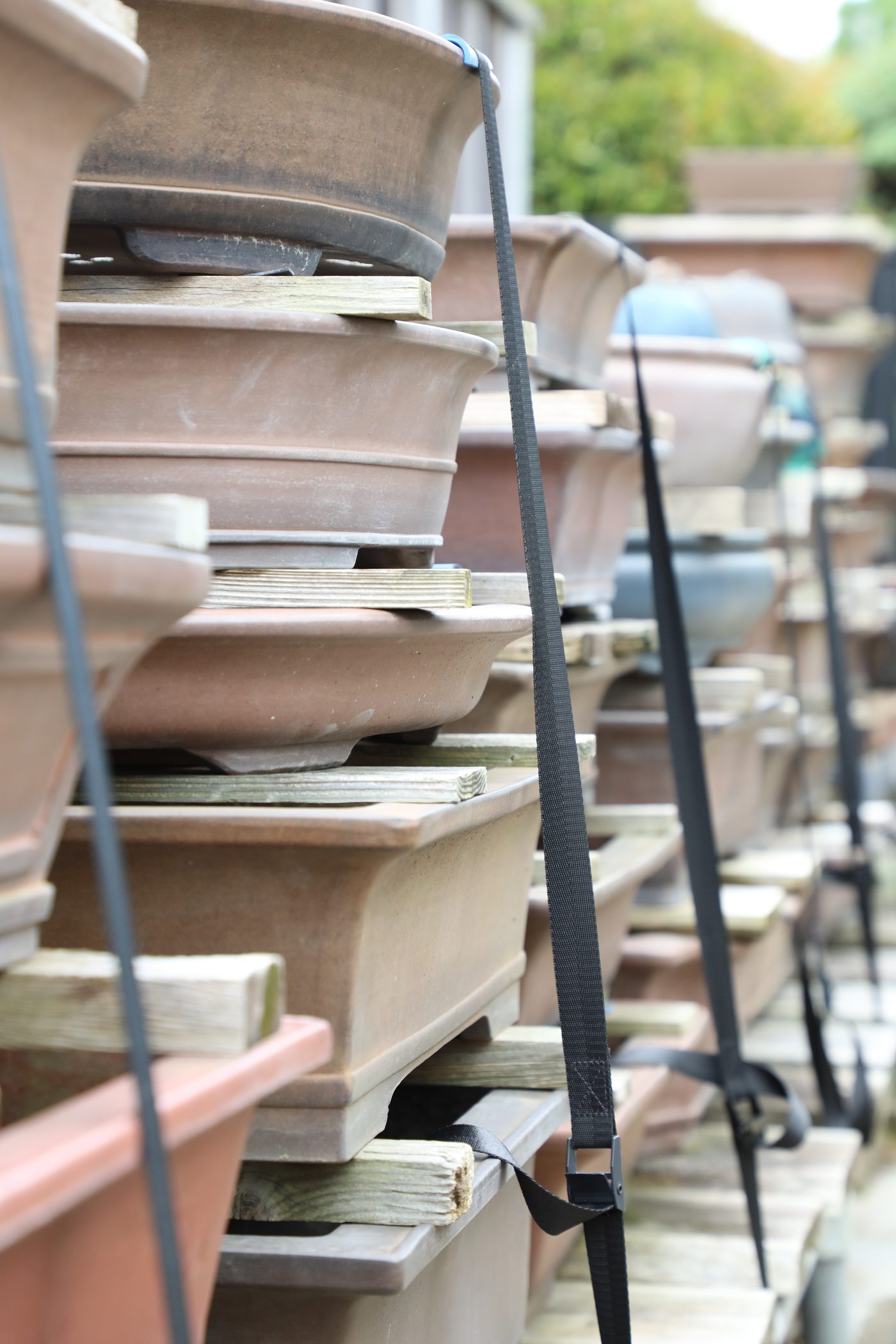
The tree alone is not yet complete.
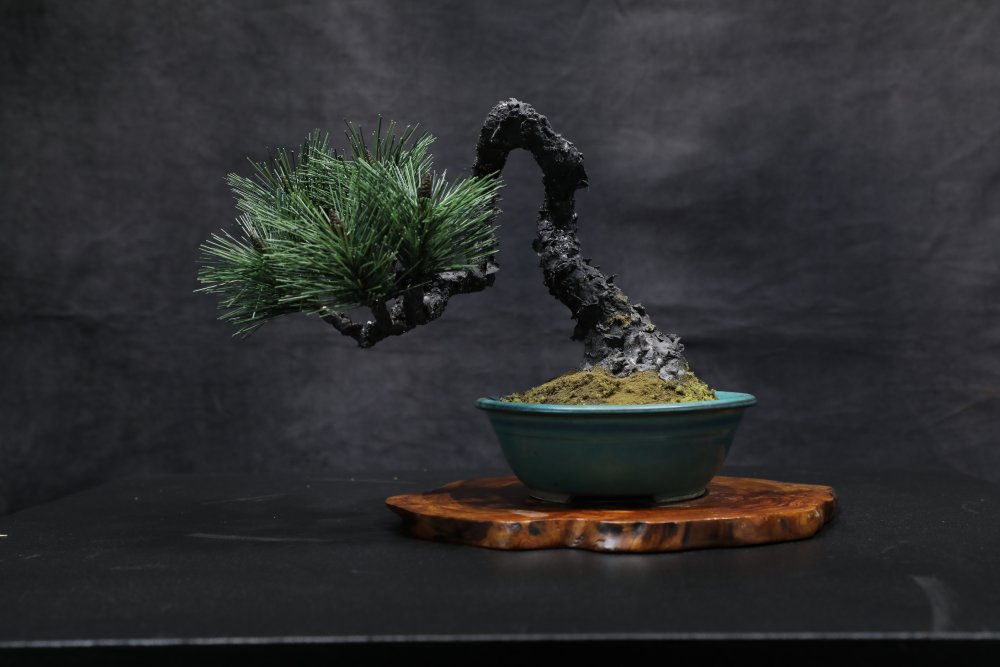
Bonsai is completed through the union of tree and vessel. If either dominates, the balance is lost; if either lacks presence, the work loses definition. Even the same tree can reveal an entirely different character when placed in a different vessel.
We use authentic vessels fired specifically for bonsai.
The density of the clay, the texture of the fired surface, the rise of the rim, and the placement of the feet all matter. Their weight feels different in the hand, and their presence changes once set in place.
Because these vessels are structured to support trees over many years,
they can truly receive and frame the form of the bonsai.
The criteria change with every tree. We read the trunk, branching, and overall form to determine the vessel’s shape, depth, and color.
If the tree flows to the right, the visual weight is placed to the left. If the trunk is powerful, the vessel steps back quietly. There is no fixed formula; each choice is guided by an eye trained through years of working with bonsai.
LineupLineup
PM
Palm-sized
lightweight model
| Approx. Dimensions | Approx. height: 15cm |
|---|---|
| Suggested Use | Desks, bookshelves, and small gifts |
MM
A standard model balancing
tree form, base, and vessel
| Approx. Dimensions | Approx. height: 30–59cm |
|---|---|
| Suggested Use | Restaurant tables, entrances, studies, and more |
GM
An expressive model with
strong presence and character
| Approx. Dimensions | Approx. height: 60–120cm |
|---|---|
| Suggested Use | Stores, hotel lobbies, exhibitions, and more |
※Prices shown are estimates and may vary depending on order specifications.
FlowOrder Process
-
- 01Inquiry
-
Please contact us through this website, by email, or via social media.
We will ask about your preferred atmosphere, display location, size, budget, and other requirements.
-
- 02Proposal & Estimate
-
Based on your preferences and reference works, we will prepare a proposal covering elements such as:
・tree form (Moyogi, Bunjingi, Kengai, etc.)
・vessel material and color
・materials used, including washi, wire, and coloring
We will discuss these details with you and provide an estimate before production begins.
-
- 03Production (Approx. 2 months)
-
Based on the approved concept, JUME’s artisans carefully craft each work by hand, one by one.
Materials are selected and adjusted for each piece, combining washi, clay, wire, dyes, and other elements in a carefully considered balance.
The production process uses advanced techniques such as:tearing, layering, and dyeing washi to create textures such as cracks, moss, and weathered bark
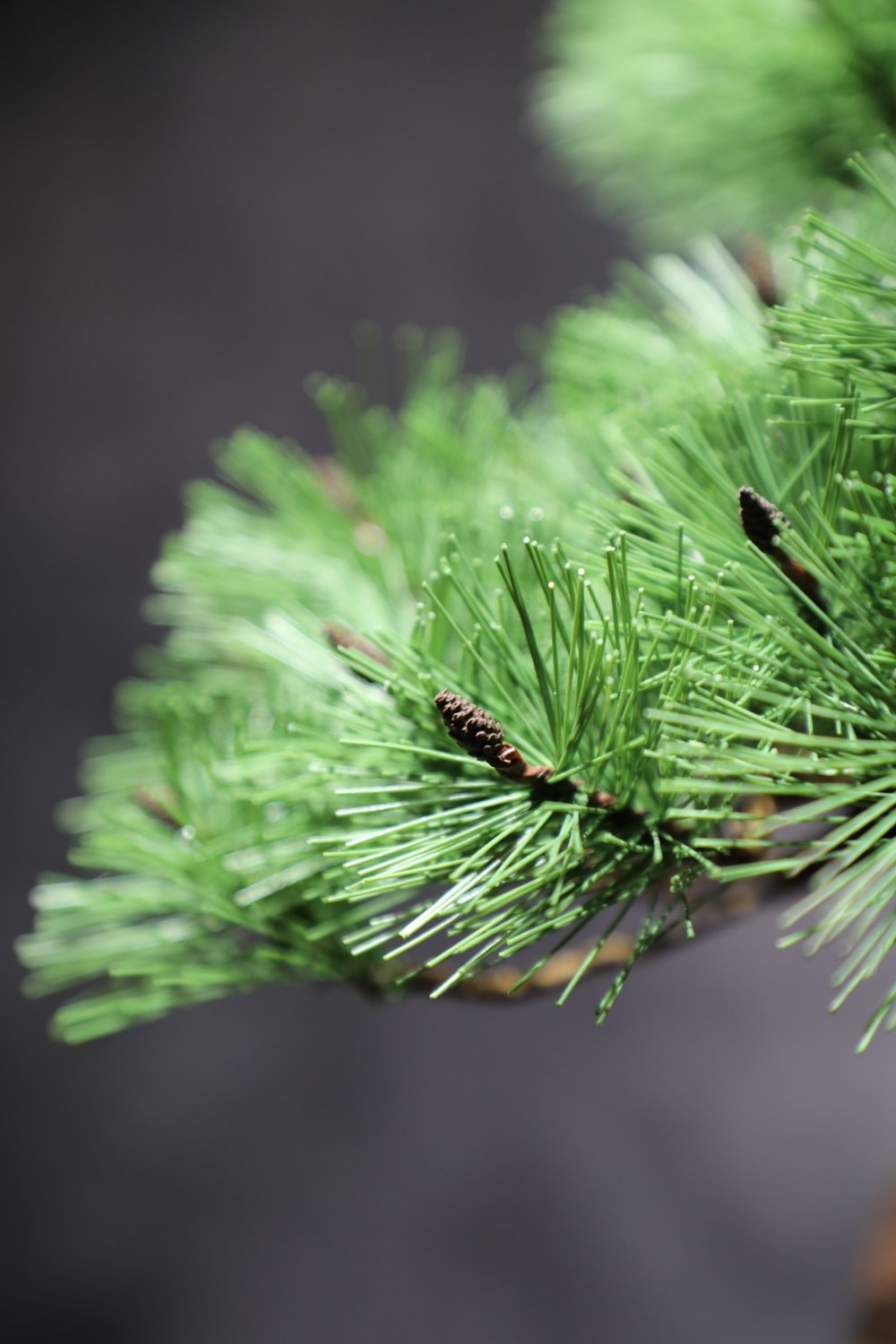
bending and fixing wire to recreate natural branching
coloring and gradation techniques that suggest the passage of time
designing harmony with the base while considering the work’s center of gravity and balance
Production usually takes approximately two months. We will keep you informed of progress as we carefully finish each detail.
Progress photos can also be shared upon request.
-
- 04Completion & Review
-
Once the work is complete, we will send photographs for your review.
Photographs taken in natural light will show the branching, washi texture, color gradations, and shadows in detail.
Minor adjustments can be made after your review.
-
- 05Delivery
-
The completed work is carefully packed with cushioning materials and, optionally, a paulownia box available for an additional fee.
Packaging is designed to protect the work from vibration and changes in humidity during transit.
We ship both within Japan and internationally.